Nonsurgical Treatments
Non-pharmacological interventions may range from simple lifestyle modification or physical exercises and rehabilitation programs.
-
Nonsurgical Hip Treatments
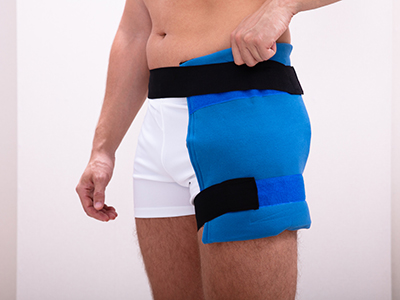
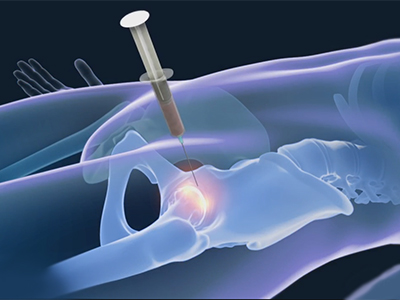
The hip is a ball-and-socket joint that connects the thigh bone to the pelvic bone. As a major weight-bearing joint with a wide range of motion, the hip is susceptible to various kinds of injuries. Hip problems may arise with overuse, acute trauma, degenerative diseases such as arthritis, and sports injuries.
-
Nonsurgical Knee Treatments
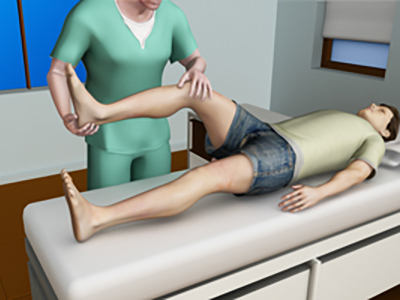
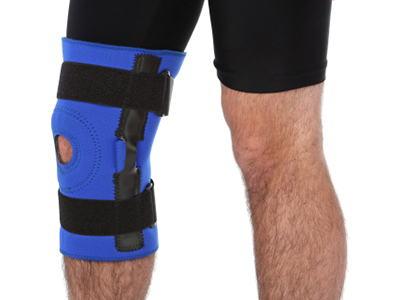
The knee is a complex joint that consists of bone, cartilage, ligaments, and tendons that make joint movements easy and at the same time it is more susceptible to various kinds of injuries. Knee problems may arise if any of these structures get injured by overuse or suddenly during sports activities. Injuries to the knee can be caused by degenerative diseases such as arthritis, traumatic injuries, and sports injuries.
-
Bracing & Modalities
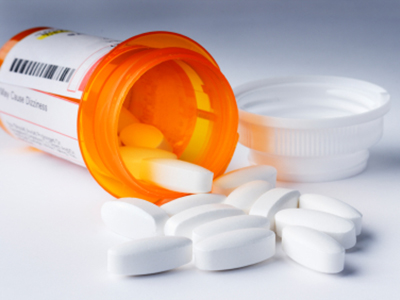
NSAIDs are a class of medications that reduce pain and inflammation without using steroids. Common NSAIDs include ibuprofen and naproxen, which are available over the counter, as well as prescription-strength medications such as celecoxib and meloxicam.
-
Hyaluronic Acid
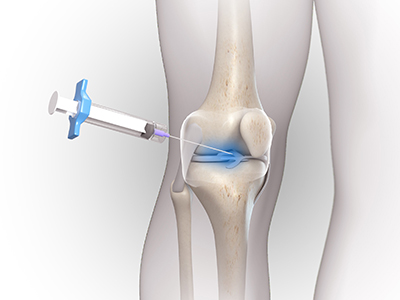
Hyaluronic acid injections, also known as viscosupplementation, offer a nonsurgical treatment option for patients experiencing joint pain and stiffness associated with osteoarthritis.
-
Non-steroidal Anti-inflammatories

Nonsteroidal anti-inflammatory drugs, commonly known as NSAIDs, are medications frequently used to help manage pain and inflammation associated with arthritis and other joint conditions.
-
Nutrition
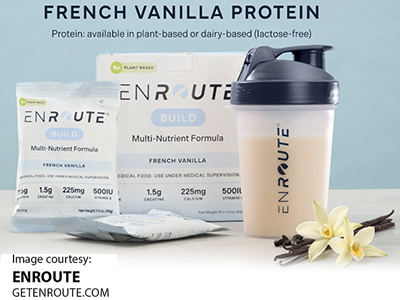
Good nutrition before and after joint replacement helps preserve strength, promotes healing, and can lead to a smoother recovery. Ask us about our pre- and post-surgical nutrition guidance. To optimize your recovery, Dr. Economedes recommends evidence-based Enroute perioperative nutrition designed to support healing, recovery, and long-term joint health.
-
Outpatient Joint Replacement

Non-pharmacological interventions may range from simple lifestyle modification or physical exercises and rehabilitation programs.
-
Physical Therapy
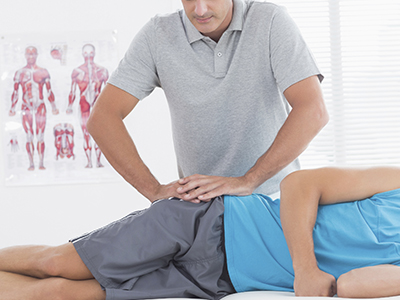
Physical therapy (PT) is an exercise program that helps you improve movement, relieve pain, encourage blood flow for faster healing, and restore your physical function and fitness level. The main goal of physical therapy is to make your daily activities such as walking, getting in and out of bed, or climbing stairs easier.
-
Platelet-Rich Plasma Injections
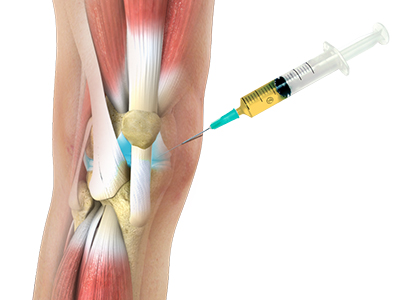
Our blood consists of a liquid component known as plasma. It also consists of three main solid components which include the red blood cells (RBCs), white blood cells (WBCs), and platelets. Platelets play an important role in forming blood clots. They also consist of special proteins, known as growth factors, which help with our body’s healing process.
-
Same-Day Joint Replacement
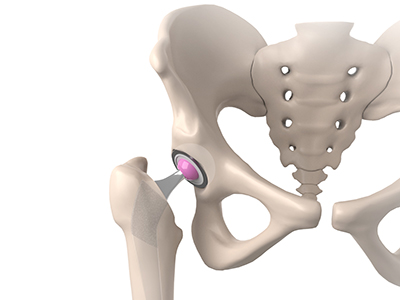
Same-day joint replacement surgery, also known as outpatient or ambulatory joint replacement is an innovative approach that allows you to undergo joint replacement and be discharged on the same day, offering numerous benefits compared to traditional inpatient procedures.
-
Stem Cell Therapy
There are two major types of stem cells embryonic stem cells and adult stem cells. Embryonic stem cells (ESCs) are stem cells derived from human embryos. They are pluripotent, which means they have the ability to develop into almost any of the various cell types of the body.
If you wish to be advised on the most appropriate treatment, please call Cary: (984) 271-8656(984) 271-8656 / Holly Springs: (984) 224-7482(984) 224-7482 / Morrisville: (919) 238-2440(919) 238-2440 to schedule an appointment or click here to request an appointment online.